Torn between the character of a Lansing classic and the convenience of something newer? You are not alone. Choosing between an older home in a historic neighborhood and a newer build in surrounding townships comes down to how you want to live, what you plan to invest after closing, and how you want to manage risk. In this guide, you will learn the real trade-offs for Lansing buyers, from floor plans and utilities to incentives, inspections, and permits. Let’s dive in.
What “older” and “newer” mean in Lansing
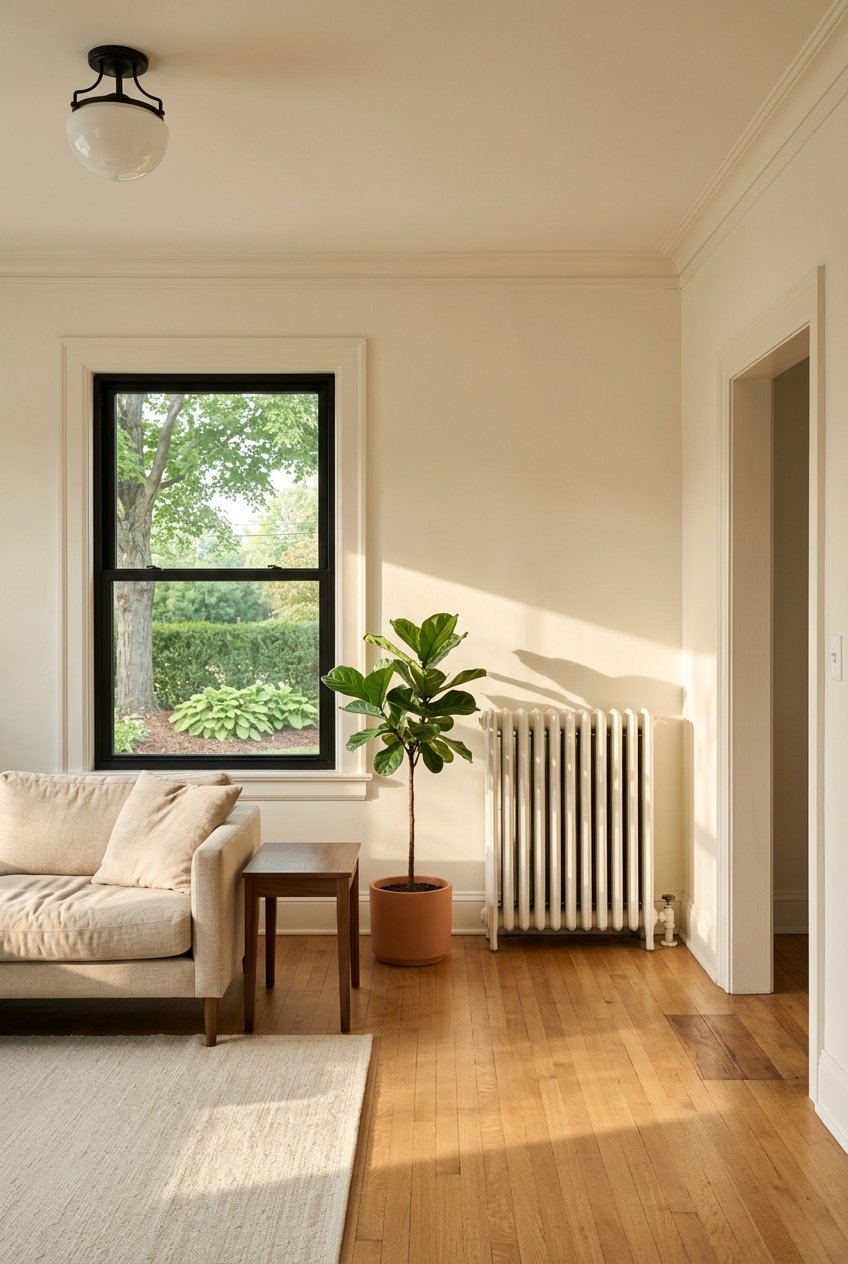
Older homes in Lansing often cluster in character-rich areas like Old Town, REO Town, and the Moores Park area. These neighborhoods include homes from the early 1900s with period details and ongoing preservation efforts. If you want a taste of local character and community events, explore the Old Town neighborhood organization’s site at iloveoldtown.org.
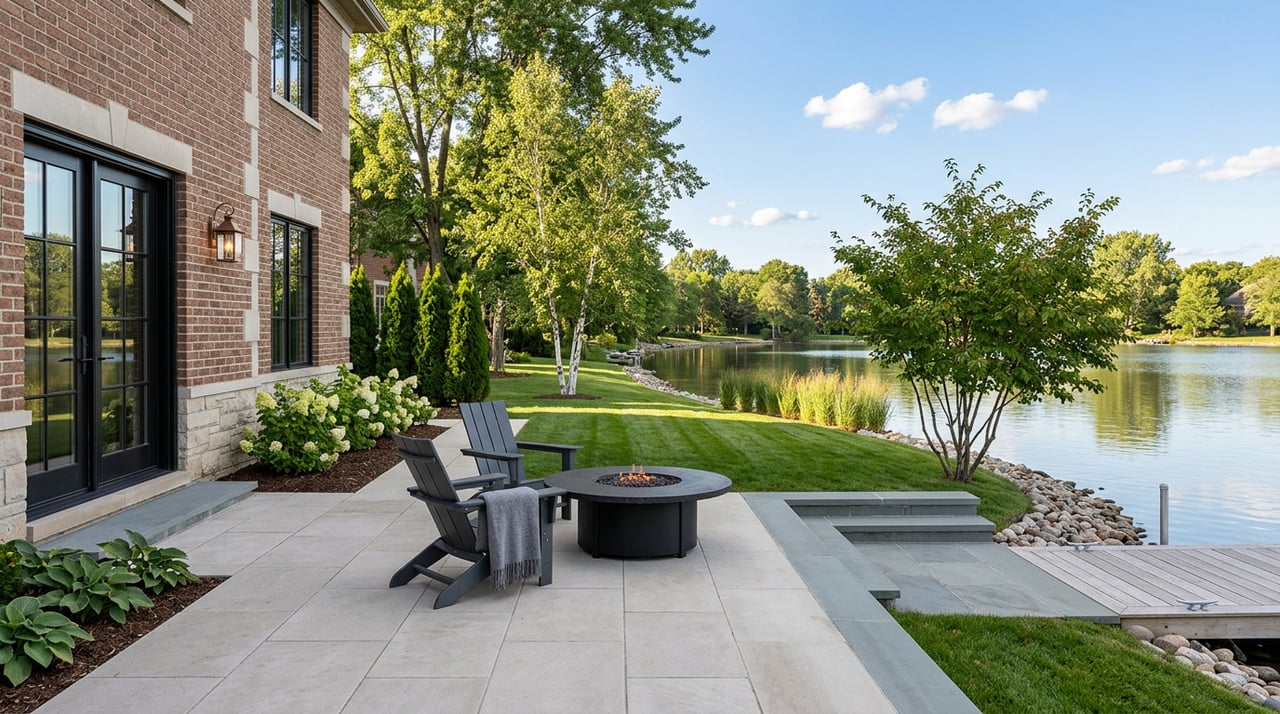
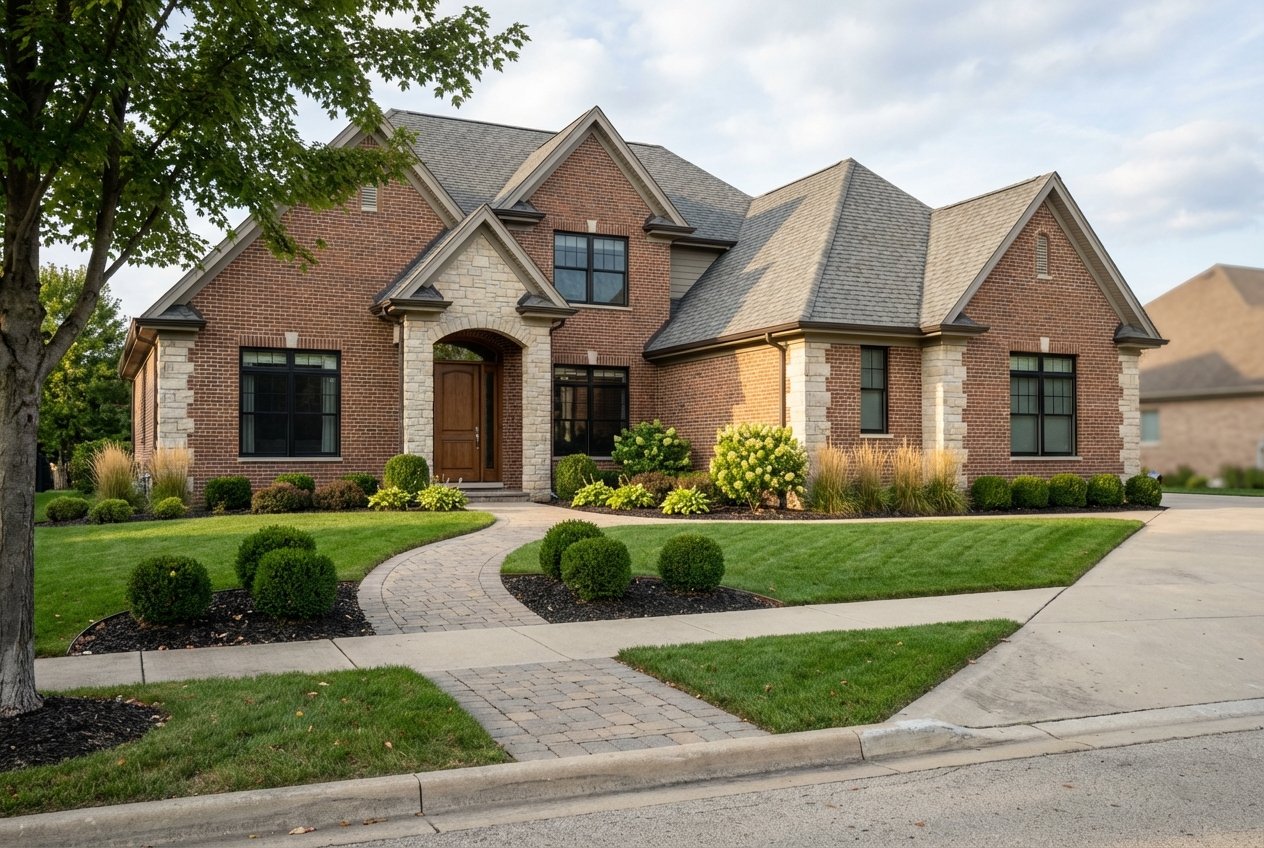
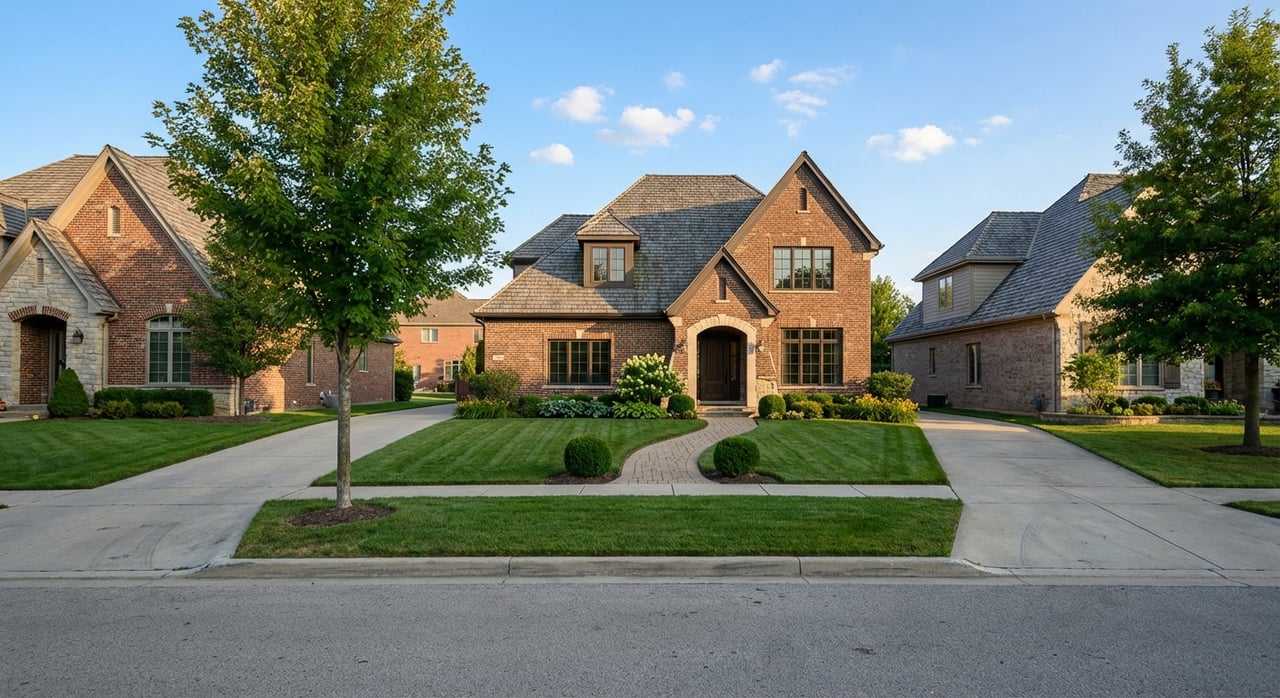
Newer single-family homes around Greater Lansing tend to be in suburban Ingham County and nearby townships, with most construction from the 1990s forward. You will often see open floor plans, attached garages, larger primary suites, and systems that reflect modern building codes. The age and location you choose will shape layout, maintenance needs, and long-term costs.
Layout differences you will notice
Older homes: rooms, charm, and details
- Defined rooms with formal living and dining spaces, plus original millwork and built-ins.
- Porches and smaller, separated rooms that feel cozy but may reduce sightlines.
- Kitchens and bathrooms that are often smaller by today’s standards and common remodel targets.
- Full basements that add storage and project space, but also require careful checks for moisture.
Newer homes: flow, storage, and convenience
- Open-concept kitchen, dining, and great room flow that works well for daily living.
- Larger primary suites with en-suite baths and walk-in closets.
- Attached two- or three-car garages, plus mudrooms and bigger utility spaces.
- Builder-standard finishes that minimize immediate cosmetic work.
The trade-off
Older homes deliver character and streetscapes with mature trees. Newer homes deliver modern conveniences and usually lower near-term maintenance. Your decision should balance the living experience you want with the upgrades you are willing to take on.
Systems and utilities in Lansing
Inside the City of Lansing, electricity and water are typically provided by the municipally owned Lansing Board of Water & Light. If you are comparing operating costs or utility programs, start by checking your address with the Lansing Board of Water & Light. Natural gas service for much of mid-Michigan is administered by Consumers Energy, so you may have BWL for electricity and water and Consumers Energy for gas. Confirm service providers at the property address with Consumers Energy.
What changes with age
- Older homes may have smaller electrical service, older panels, and legacy wiring. Central air conditioning is often added later. Plumbing may include galvanized lines or cast-iron drains.
- Newer homes commonly feature 200-amp service, modern breaker panels with updated safety devices, forced-air HVAC or heat pumps, modern plumbing materials, and better insulation and windows.
If you plan to add an EV charger, a heat pump, or finish a basement, electrical capacity and ductwork layout matter. A quick check by a licensed electrician or HVAC contractor during inspection can save you from surprise costs later.
Energy incentives as of March 2026
Energy incentives can shift the math on older vs. newer. If you plan efficiency upgrades or electrification, review current rules before you sign contracts.
- Federal tax credits: Read the IRS Instructions for Form 5695 for current qualification rules and timing. Credits depend on when the system is placed in service, so confirm the tax year for your project using the IRS Form 5695 Instructions.
- Michigan state rebates: Michigan EGLE is implementing Home Energy Rebate programs funded by federal allocations. Program status and eligibility can change, so check the Michigan EGLE energy page for updates.
- Local utility offers: BWL and Consumers Energy publish residential programs and seasonal incentives for things like furnace or heat-pump replacements and weatherization. Verify your utility and then compare current offers on their customer program pages.
- Financing: Michigan Saves provides low-interest loans for qualifying energy and health-and-safety projects. If you are planning whole-house work, start early with Michigan Saves to align financing with rebates.
- How incentives stack: For a clear overview of how heat pump incentives may combine, review the homeowner-oriented summaries at EnergySage’s heat pump incentives guide.
The bottom line: upgrades like heat pumps, high-efficiency water heaters, insulation, and air sealing can cut operating costs. Incentives make a real difference, but rules change. Time your project and paperwork carefully.
Renovation potential and common risks
Where older homes shine
- High-ROI remodels include opening the kitchen to living areas, updating baths, and finishing basements once moisture is addressed.
- Preserving original trim, hardwood floors, and built-ins protects character and value.
- System upgrades, like a modern electrical panel or right-sized HVAC, improve comfort and safety.
Where newer homes shine
- Cosmetic refreshes go far. New paint, lighting, and minor kitchen or bath updates can modernize quickly.
- Layouts already fit today’s living styles, so you may spend less on structural changes.
High-risk items to inspect closely
- Lead-based paint: Homes built before 1978 are more likely to contain lead paint. Plan testing, ask for documentation, and follow EPA Renovation, Repair and Painting rules. Learn more at the EPA’s lead safety page.
- Electrical: Verify service amperage and look for knob-and-tube wiring in pre-1950s homes.
- Plumbing and drainage: Check for galvanized water lines, cast-iron drains, and signs of basement water intrusion.
- Foundation and moisture: Michigan’s freeze-thaw cycles make grading, gutters, sump pumps, and drain systems critical. Ask about prior waterproofing and warranties.
- Hazardous materials: In older homes, test for asbestos before demolition or major renovation.
Historic districts and permits in Lansing
If a property sits inside a local historic district, exterior changes such as windows, siding, porches, or additions may require city approval. Review the City of Lansing Historic District Commission for rules, maps, and meeting schedules at the Historic District Commission page.
For every home, ask whether major work was permitted and inspected. Lenders and insurers value documented, code-compliant upgrades. Pulling records early reduces risk and helps you budget honestly.
Cost framework: older vs. newer
Use this simple framework to compare homes you like.
When an older home may be the right fit
- You value architectural character and walkable neighborhood charm.
- You want a project house where you can add value through kitchens, baths, or systems.
- You are comfortable budgeting for electrical, HVAC, roof, or foundation work in the first 5 years.
- You plan to use rebates, tax credits, or financing to modernize comfort and efficiency.
When a newer home may be the right fit
- You want a move-in-ready layout with open living, larger suites, and ample storage.
- You prefer lower near-term maintenance and code-era systems.
- You want easy options for an EV charger, home office wiring, or modern HVAC.
- You would rather spend on finishes and furnishings than major infrastructure.
Quick buyer checklist for showings
Use these prompts during your tours and in offer negotiations:
Systems and service
- Year installed for furnace or boiler, water heater, roof, and main electrical panel. Any permits or service records available?
- Electrical service size in amps. Any knob-and-tube or aluminum branch circuits noted by the inspector?
- Central AC or heat pump present. If heat pump, confirm make, model, and efficiency rating.
Structure and water
- Any history of basement flooding. Is there a sump pump and backup power?
- Gutters, downspouts, and grading. Is water routed at least several feet away from the foundation?
Health and safety
- If built before 1978, has lead paint testing or abatement been completed? Confirm required lead disclosures and safe work practices.
- Any asbestos or mold remediation on record?
Permitting and approvals
- Were major renovations permitted and inspected? If within a local historic district, were approvals obtained for exterior work?
Cost and timing
- Get quotes for likely near-term replacements, such as panels, HVAC, or roofs.
- For energy upgrades, confirm current federal, state, and utility incentives before signing contracts.
How we help you choose with confidence
You deserve advice that weighs charm against cost with clear, builder-informed insight. Our approach is simple. We help you identify likely system upgrades, estimate ranges before you write an offer, confirm permits and utility options, and plan a smart path for energy incentives and financing. That way, you buy the home that fits your life and your budget, not just the listing that looks good on paper.
Ready to compare your top homes side by side with real numbers and a practical plan? Reach out to Benjamin DeRosa for a free, no-pressure consultation.
FAQs
What are the pros and cons of older homes in Lansing?
- Pros include character details, mature streetscapes, and renovation potential; cons include possible electrical, plumbing, moisture, or lead-paint issues that require careful inspections and budgeting.
How do utility providers work for Lansing homes?
- Many city addresses use Lansing Board of Water & Light for electricity and water and Consumers Energy for natural gas, but you should always confirm service by the specific property address.
What energy rebates and credits are available in Michigan in 2026?
- As of March 2026, federal tax credits exist for certain upgrades and Michigan is rolling out Home Energy Rebates through EGLE, while utilities offer programs that may stack; always verify current rules and timing before you start work.
What should I look for in a Lansing basement during a showing?
- Look for signs of water intrusion, a working sump pump with backup power, sound grading and gutters outside, and any documentation of waterproofing or foundation repairs.
Do Lansing historic districts affect exterior renovations?
- Yes, homes within local historic districts often require city review for exterior changes like windows, siding, porches, or additions, so plan timelines and budgets accordingly.