If your workday starts on the road, where you live can shape everything from your stress level to your evening routine. You want a place that keeps your commute realistic without making daily life feel like one long drive. In Howell, that balance often comes down to freeway access, backup options, and how much convenience you can fit into the hours before and after work. Let’s dive in.
Howell Is Built for Drivers
Howell works best for people who expect to commute by car. Recent Census data shows the city’s mean one-way commute is about 29.9 minutes, while Howell Township comes in at about 32.0 minutes, which points to a community where driving is a normal part of daily life.
That matters if you are comparing Howell to places with more walk-to-work or transit-heavy patterns. In Howell, your day will likely revolve around road access, parking, and route planning more than train schedules or dense urban shortcuts.
Freeway Access Matters Here
One reason Howell draws commuters is its connection to major roadways. The broader Howell Township profile specifically notes access to M-59, Grand River, and I-96, which helps explain why the area appeals to people heading toward Lansing, Ann Arbor, or parts of the Detroit metro.
For many buyers, that freeway connection is the main selling point. You can live in a community with a smaller-city feel while still keeping regional job centers within reach, as long as you are comfortable planning around drive time.
Road Construction Should Be Part of Your Plan
If you are thinking about living in Howell, it is important to know that commute convenience is not just about distance. It is also about current road conditions.
MDOT is rebuilding the I-96 and Grand River Avenue interchange in Livingston County through 2026. At the same time, Phase 2 of the US-23 Flex Route project is under construction from south of M-36 to I-96. These projects are designed to improve safety and congestion, but in the near term they can also bring lane shifts, detours, and changing traffic patterns.
For commuters, that means you should build a little extra flexibility into your schedule. In a market like Howell, practical route awareness can matter almost as much as the address itself.
Carpooling Is a Real Option
If you do not want to drive solo every day, Howell-area commuters have useful alternatives. MDOT says it has 243 MDOT-owned or partnered carpool lots plus 21 Meijer lots statewide, with nearly 9,000 spaces and roughly 3,900 vehicles parked daily.
These lots are free for daily use and are intended for carpool and vanpool commuters. They are not meant for long-term parking beyond 72 hours, but for everyday commuting they can be a practical tool.
For people traveling toward Ann Arbor, MDOT’s US-23 feasibility study identifies a carpool lot at the US-23 and M-36 interchange with 71 marked spaces. That can be especially helpful if you want to split the drive, reduce fuel costs, or simply make your commute feel a little less repetitive.
Transit Backups Exist, but This Is Not a Rail Market
Howell is still a car-first place, but there are a few backup transportation options worth knowing. Livingston County’s L.E.T.S. system offers countywide dial-a-ride and regional medical transportation to Ingham, Genesee, Oakland, and Washtenaw counties.
That service is not a replacement for the typical work commute in most cases, but it can be useful to know about for certain household needs. It adds a layer of flexibility that some buyers appreciate, especially if transportation needs vary within the family.
Michigan Flyer is another option to keep in mind for regional travel and airport access. It runs 14 daily roundtrips between East Lansing, Whitmore Lake, Ann Arbor, and Detroit Metro Airport, so Howell residents would usually use nearby Whitmore Lake or Ann Arbor as the practical pickup points.
One important note: WALLY, the proposed rail connection between Howell and Ann Arbor, is still just that, a proposal. It should be viewed as a future concept, not a current commuting option.
Downtown Howell Helps After the Commute
A good commuter town is not only about getting to work. It is also about how easy it feels to live there once you get home.
That is where downtown Howell stands out. Howell Main Street reports that downtown includes 13 blocks, 17 restaurants, 25 retail stores, 856 public parking spaces, and 394,500 visitors in 2024. For a commuter, that means you can often handle dinner, coffee, small errands, or a quick outing close to home instead of adding another long drive to your day.
Michigan.org also describes Howell as an award-winning town with a charming downtown. While every buyer will experience that differently, the practical takeaway is simple: Howell offers a stronger day-to-day convenience factor than some people expect.
Daily Errands Are Manageable
Busy households often want more than a workable commute. They also want to know whether everyday services are close enough to keep life running smoothly.
In Howell, that piece of the puzzle is fairly strong. Kensington Valley Outlets is Livingston County’s only outlet shopping center and has more than 50 brands operating year-round. Henry Ford Medical Center - Howell also provides a wide range of services, including primary care, specialty care, imaging, radiology, OB/GYN, pediatrics, and physical therapy at its South Latson Road location.
That concentration of shopping and services can make a real difference during the workweek. If you are commuting most days, saving time on errands becomes part of your quality of life.
Recreation Can Balance a Long Workday
Commuters often focus on the drive and forget to think about what happens around it. But your evenings, weekends, and reset time matter too.
Howell Area Parks and Recreation operates the Oceola Community Center and the Hive Youth and Teen Center. Its parks and trails information also points to a broad mix of neighborhood parks, trails, athletic fields, and a dog park in the Howell area.
For many households, that adds balance to a commute-heavy routine. You may spend part of your day on the road, but you still want local places to walk, exercise, gather, or let kids burn off energy close to home.
Housing Choices Fit Different Commute Styles
Howell can appeal to commuters partly because it gives you more than one way to live. You are not limited to one housing pattern or lot type.
Inside the city, zoning points toward moderate suburban lots rather than very large parcels. The R-1 district requires 8,400 square feet and 70 feet of lot width, while R-2 requires 9,600 square feet and 80 feet of width. The R-T district requires 4,200 square feet per unit and 35 feet of width per unit.
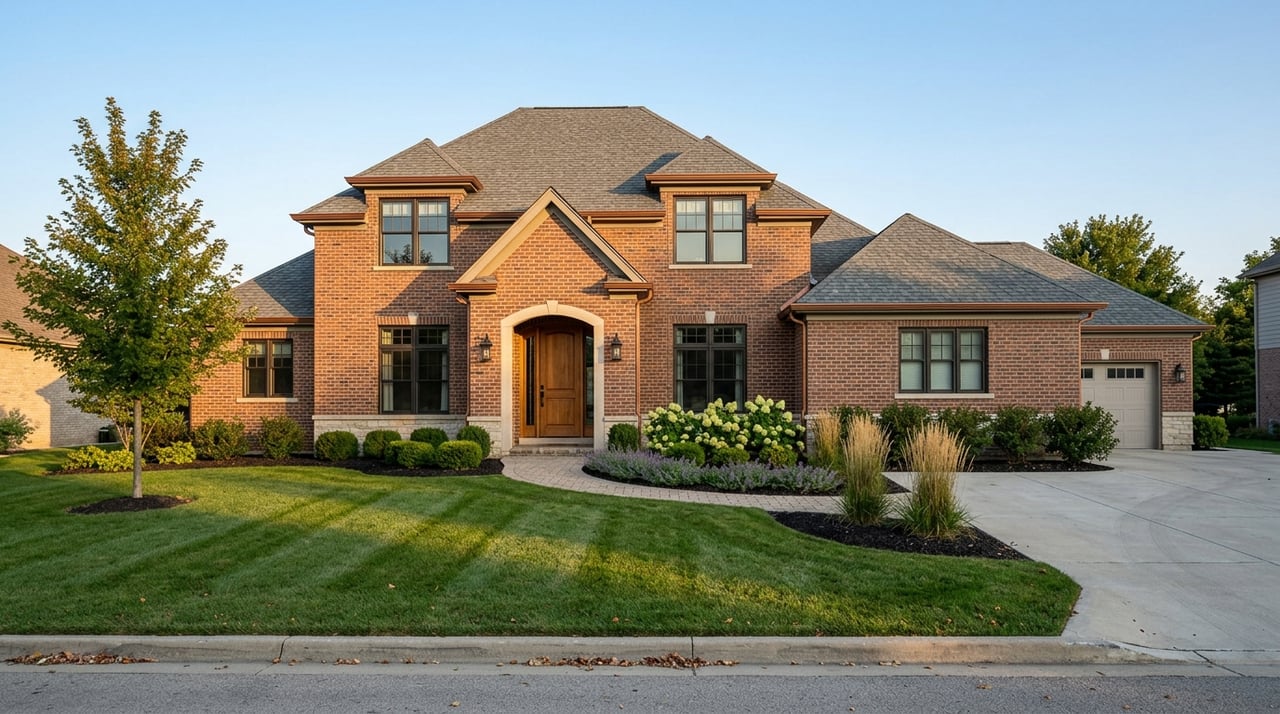
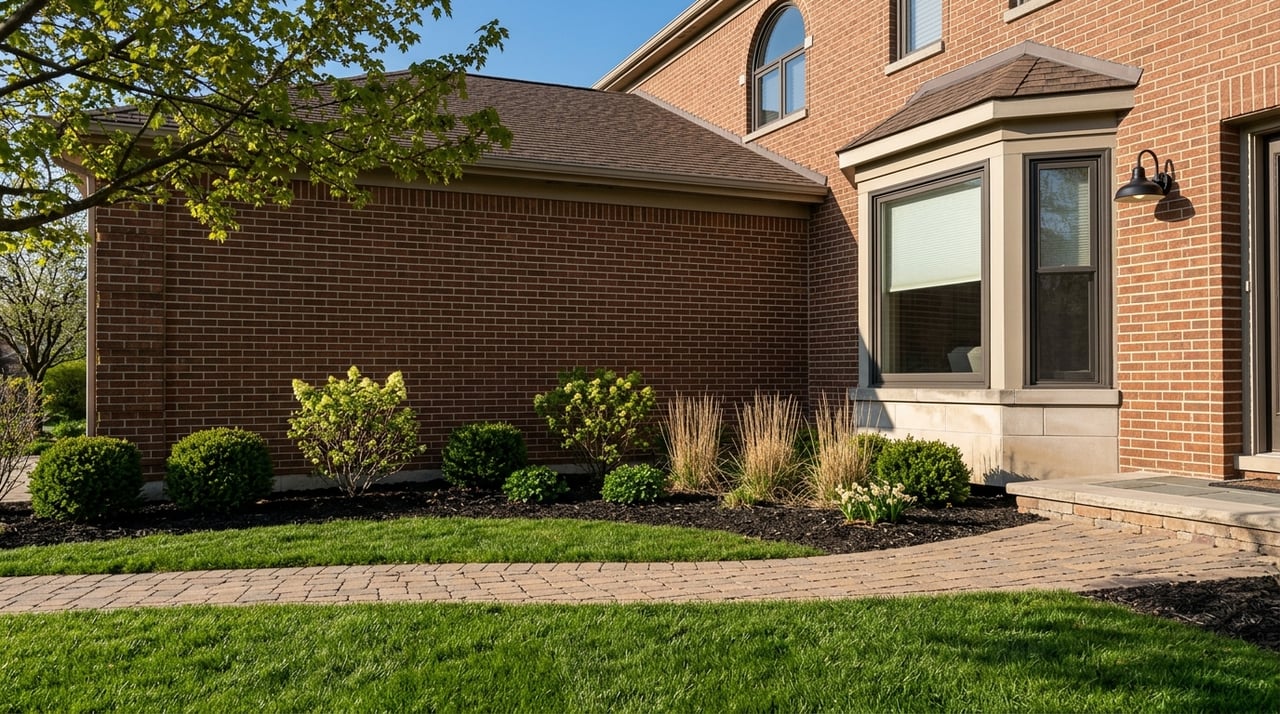
That may sound technical, but the everyday meaning is simple. In-town Howell tends to support practical lots that can be easier to maintain, which may appeal if you want less exterior upkeep during a busy workweek.
The city code also limits single-family homes to one driveway and ties most front-yard parking to the driveway, carport, or garage. If you are a commuter household with multiple vehicles, garage space, driveway layout, and parking function deserve close attention when you tour homes.
Howell Offers Both City and Township Lifestyles
Recent Census data helps round out the picture. Census Reporter shows 47% single-unit structures and about 54% owner-occupied housing, while QuickFacts reports a 53.9% owner-occupied rate, a median owner-occupied value of $265,600, and a median gross rent of $1,177.
In plain terms, that supports the idea that Howell includes a mix of starter homes, move-up homes, and rental options. If you want something more compact and closer to downtown services, the city may fit. If you want more land or a different setting, the township opens up additional choices.
The township’s own profile says housing options include high-density areas, acreage or small-lot subdivisions, country estates, and farms. For buyers, that flexibility is important. You can choose between lower-maintenance living and a property with more elbow room while still staying tied to major road access.
What Commuters Should Prioritize When Buying
If Howell is on your list, it helps to think beyond square footage and finishes. A house that looks great online may not function well for your daily routine if the commute setup is off.
Here are a few smart things to evaluate:
- Test the drive at realistic times so you get a better sense of traffic patterns.
- Ask how construction may affect your route through 2026, especially near I-96 and US-23 connections.
- Check garage and driveway usability if your household depends on multiple vehicles.
- Think about errand efficiency and how close you want to be to downtown, shopping, or medical services.
- Compare city versus township living based on how much maintenance, land, and commute flexibility you want.
These details may not be flashy, but they often have the biggest impact on how happy you feel after move-in.
Why Howell Works for Many Commuters
Howell is not trying to be a dense transit hub, and that is exactly the point. It works best for people who want a freeway-connected home base, practical daily conveniences, and housing options that range from in-town lots to larger township properties.
If you are comfortable with a car-first routine and willing to stay aware of road projects, Howell can offer a strong balance of access and livability. For many buyers, that mix is what makes the area worth a serious look.
When you are weighing commute time, property condition, lot setup, and long-term fit, having practical guidance matters. If you want help finding a Howell-area home that works for your schedule and lifestyle, reach out to Benjamin Derosa for a free home consultation.
FAQs
What is the average commute time for people living in Howell?
- Recent Census data shows the mean one-way commute is about 29.9 minutes in Howell and about 32.0 minutes in Howell Township.
Is Howell a good place for commuters who drive to work?
- Howell is best suited to car-based commuters because of its access to roads like I-96, M-59, and Grand River, along with its overall drive-oriented commuting pattern.
Are there carpool options near Howell for daily commuters?
- Yes. MDOT operates carpool lots for daily use, and the US-23 and M-36 interchange includes a carpool lot with 71 marked spaces for corridor commuters.
Does Howell have public transit for commuters?
- Howell has limited backup options such as Livingston County L.E.T.S. and access to Michigan Flyer from nearby stops, but it is not currently a rail-based commuter market.
What should homebuyers in Howell look for if they commute every day?
- Homebuyers should pay close attention to route access, current construction impacts, garage and driveway function, and whether they prefer a lower-maintenance city lot or a larger township property.