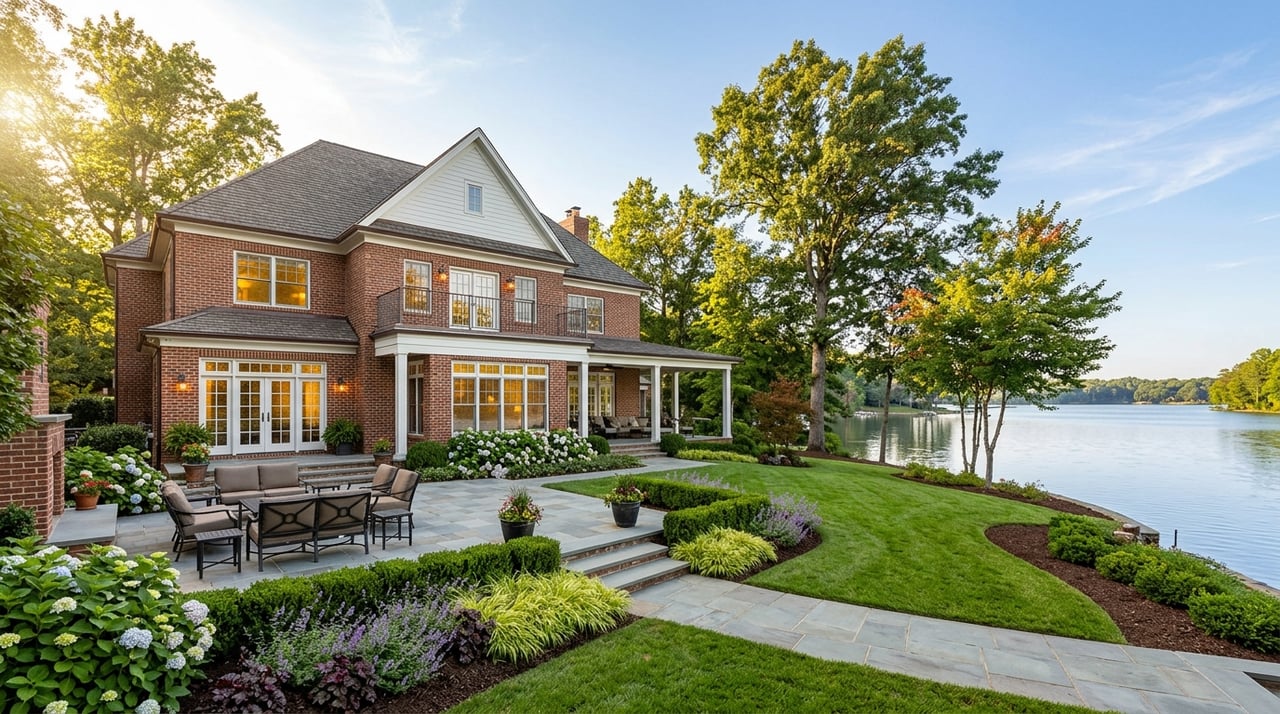
Dreaming about coffee on the dock and sunset views over the water? Buying lakefront property around Brighton can absolutely deliver that lifestyle, but it also comes with details that matter more than many buyers expect. If you want a home that fits your budget, your maintenance comfort level, and your long-term plans, it helps to know what to look for before you make an offer. Let’s dive in.
Why Brighton Draws Lakefront Buyers
Brighton sits in a recreation-rich area that naturally attracts buyers who want more than just a house. Brighton Recreation Area covers 4,947 acres and includes nine lakes, boating access, a swim beach, fishing, and paddling opportunities. Nearby Island Lake Recreation Area adds another 4,000 acres, with four inland lakes and the Huron River.
That setting shapes how many people shop for waterfront homes here. Some buyers want a full-time residence with everyday access to the water, while others are looking for a seasonal retreat or second home feel. In this part of Michigan, both goals can make sense.
Seasonality is part of the picture too. Public recreation in the area includes summer and fall programming, and paddlesport rentals at Brighton Recreation Area typically run from Memorial Day through Labor Day. That gives you a clue about how lake living may feel different in July than it does in January.
Lakefront Prices Vary More Than You Think
One of the biggest mistakes buyers make is assuming every lake house falls into the same price range. In Brighton, public listing examples have shown everything from more modest waterfront options to homes approaching the $1 million range. That spread reflects how different one waterfront property can be from another.
Price often comes down to a few practical factors:
- The type of waterbody
- Amount of water frontage
- Lot size and layout
- Home condition and updates
- Whether the property works better for seasonal or year-round use
That is why two homes both described as “lakefront” may offer very different value. A smaller cottage on one lake may compete with a much larger updated home on another, and the ownership details behind the shoreline can matter just as much as the view.
Know What “Lakefront” Really Means
Natural lake vs. artificial waterbody
In Michigan, not every waterfront parcel works the same way. EGLE explains that property contiguous to a natural inland lake or stream generally carries riparian rights, including access and dockage. On non-natural water bodies, those rights may not be the same.
For you as a buyer, this is a major due diligence point. A property on a natural inland lake, an impoundment, or river frontage may come with different legal and practical realities, even if all of them are marketed as waterfront.
Riparian rights affect everyday use
If you picture adding a dock, launching kayaks, or enjoying direct access to the water, you want clarity early. Ask for confirmation of the exact waterbody and what rights come with the parcel. It is also smart to verify whether shoreline or bottomland boundaries are shared, platted, or otherwise limited.
This is one place where builder-style and property-level thinking really pays off. The view may catch your attention first, but the rights attached to the land shape how you can actually use it.
Check Water and Septic Early
Do not assume a county point-of-sale inspection
In Livingston County, the Health Department does not perform point-of-sale inspections on well and septic systems when a property changes ownership. That means you should not assume the county will automatically inspect these systems before closing.
The county does maintain well and septic records that can be searched by address or parcel ID. Those records can help you understand age, permits, and what may need closer review during your inspection period.
Private wells need attention
If the home is not on public water, a private well may be part of the property. Livingston County notes that homeowners in areas without public water must install a well, and the county tracks areas where water quality and quantity may be an issue.
New wells must be tested for bacteria, nitrates, and arsenic. EGLE also notes that water testing is common when buying or selling a home, and recommends annual coliform bacteria and nitrate testing as part of routine maintenance.
Septic systems can be a major budget item
Septic systems are one of the most important parts of lakefront due diligence. Livingston County says septic systems must be permitted and installed under county sanitary code, typically last about 20 to 25 years, and are commonly pumped every 3 to 5 years.
Signs of a failing system can include:
- Backups inside the home
- Standing wastewater over the tank or drainfield
- Foul odors near the system
Michigan’s Well Construction Code also requires a minimum 50-foot distance between a single-family private well and a septic system. If you hope to expand the home or make site changes later, that spacing rule can become a very practical lot-planning issue.
Understand Shoreline Improvements Before You Buy
Permits may apply to more than you expect
A lot of buyers assume they can make simple waterfront improvements after closing. In reality, EGLE requires permits for many projects near the water, including dredging, filling, placing structures on bottomlands, interfering with natural water flow, and connecting waterways to inland lakes or streams.
That matters if you are thinking ahead about rebuilding a lakeside feature, changing the shoreline, or making the lot work better for boating. Even projects that seem modest from the yard side can trigger review.
Docks and hoists have different rules
EGLE says a permit is required for a permanent dock or boat hoist on inland lakes or streams. A seasonal private noncommercial dock or hoist that is removed at the end of boating season may not need a permit if it does not unreasonably interfere with others or with water flow.
That means you should ask whether the current dock is permanent or seasonal, and whether there is documentation for any related approvals. It is much better to sort that out before closing than after you take ownership.
Algae and vegetation control can be regulated
If a shoreline has heavy plant growth or algae issues, do not assume cleanup is as simple as hiring it out. EGLE says nuisance aquatic plant and algae control is typically regulated and usually requires an aquatic nuisance control permit.
That does not mean every property has a problem. It does mean that lake maintenance has rules, timelines, and costs that are worth understanding up front.
Think About Long-Term Lake Maintenance
Owning on the water often means ongoing care that goes beyond standard homeownership. The shoreline, the water systems, and the condition of the lot all affect your experience over time.
Michigan DNR notes that lakeside development can increase erosion, nutrient runoff, and loss of nearshore habitat. The same guidance points to more natural shoreline approaches like rain gardens and no-mow zones, which can help reduce runoff and support lake health.
For some buyers, that is a welcome tradeoff for a lower-maintenance and more natural waterfront edge. For others, it is an adjustment from the manicured shoreline look they first imagined. Either option should be considered with long-term upkeep in mind.
Water Quality Is Worth Asking About
Water quality can vary from one lake to another, and it is smart to ask questions instead of making assumptions. A local report for Lake Moraine in Brighton Charter Township found elevated E. coli and identified possible sources that included failing septic systems and wildlife.
That does not mean every Brighton-area lake has the same condition. It does show why lake health, watershed conditions, and septic performance should be part of your conversation when you evaluate a property.
If swimming, paddling, or regular water use is a big part of your plan, this deserves extra attention. You are not just buying the house. You are buying into the condition and care of the surrounding water environment too.
Key Questions to Ask Before Making an Offer
When you tour lakefront property around Brighton, keep these questions front and center:
- Is the property on a natural inland lake, an impoundment, or river frontage?
- What riparian rights come with the parcel?
- Is the home on public water and sewer, or does it use a private well and septic system?
- Are county records available for the well and septic?
- How old is the septic system, and when was it last pumped or serviced?
- Is the dock seasonal or permanent?
- Is there documentation for shoreline, dock, or aquatic vegetation permits?
- Does the lot leave enough room for future additions while meeting the 50-foot well-to-septic isolation rule?
- What are the likely long-term costs for pumping, testing, shoreline care, or possible septic replacement?
These answers tell you a lot about whether a property truly fits your goals. They also help you compare homes more accurately, especially when two listings seem similar at first glance.
A Practical Way to Buy Smarter
Lakefront homes around Brighton can offer a special mix of recreation, privacy, and everyday enjoyment. They can also come with more moving parts than a typical suburban purchase, especially when wells, septic systems, shoreline rules, and riparian rights are involved.
That is why practical guidance matters. When you evaluate the property itself, not just the photos or the frontage, you put yourself in a much better position to buy with confidence.
If you want hands-on help evaluating lakefront homes, lot constraints, and property condition around Mid-Michigan, Benjamin Derosa can help you move forward with clear, practical guidance.
FAQs
What should you verify first when buying lakefront property around Brighton?
- Verify the exact waterbody, whether it is a natural inland lake, impoundment, or river frontage, and what riparian rights come with the property.
Does Livingston County inspect well and septic systems at the time of sale?
- No. Livingston County does not conduct point-of-sale inspections for well and septic systems, though records may be available by address or parcel ID.
What well tests matter for Brighton-area lakefront homes?
- For private wells, Livingston County requires new wells to be tested for bacteria, nitrates, and arsenic, and EGLE recommends routine annual testing for coliform bacteria and nitrates.
How long do septic systems usually last in Livingston County?
- Livingston County says septic systems typically have an expected life of about 20 to 25 years and are commonly pumped every 3 to 5 years.
Do docks on Brighton-area lakes need permits?
- EGLE says permanent docks or boat hoists on inland lakes or streams require permits, while some seasonal private noncommercial docks removed at the end of boating season may not.
Why does shoreline type matter when buying a Brighton lake home?
- Shoreline type affects maintenance, erosion, runoff, habitat impact, and what improvements or vegetation control may require permits over time.