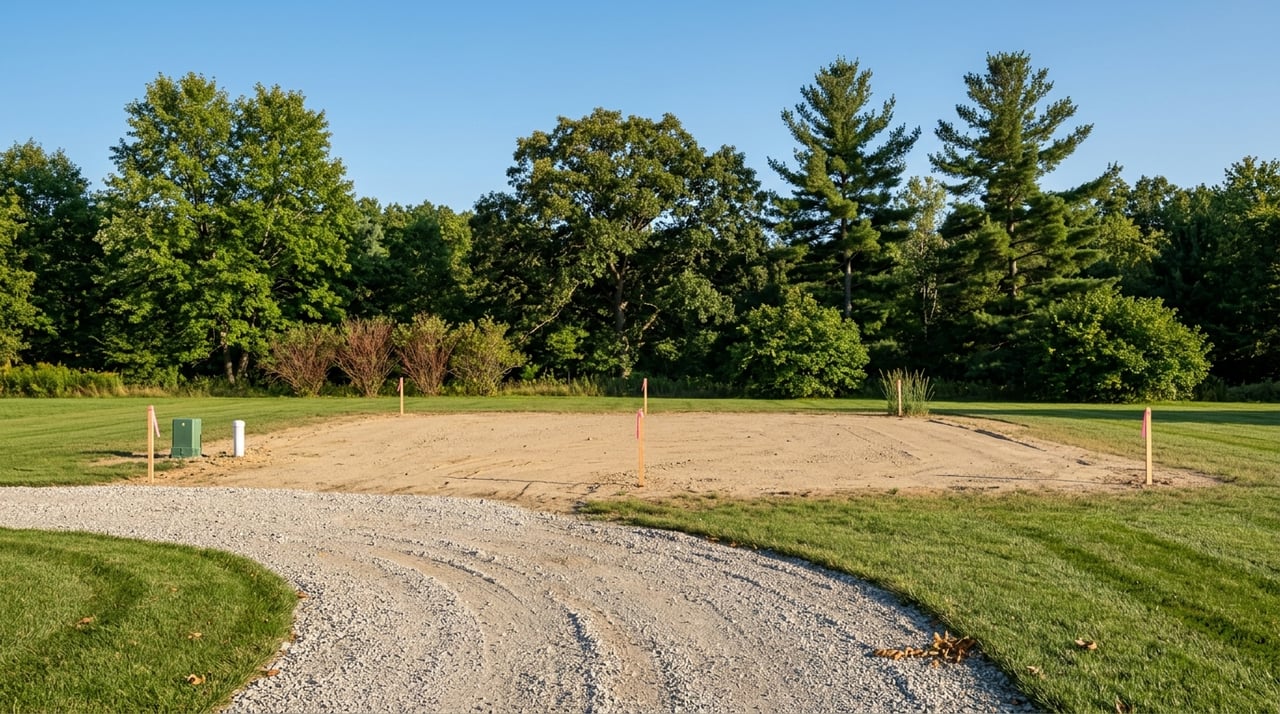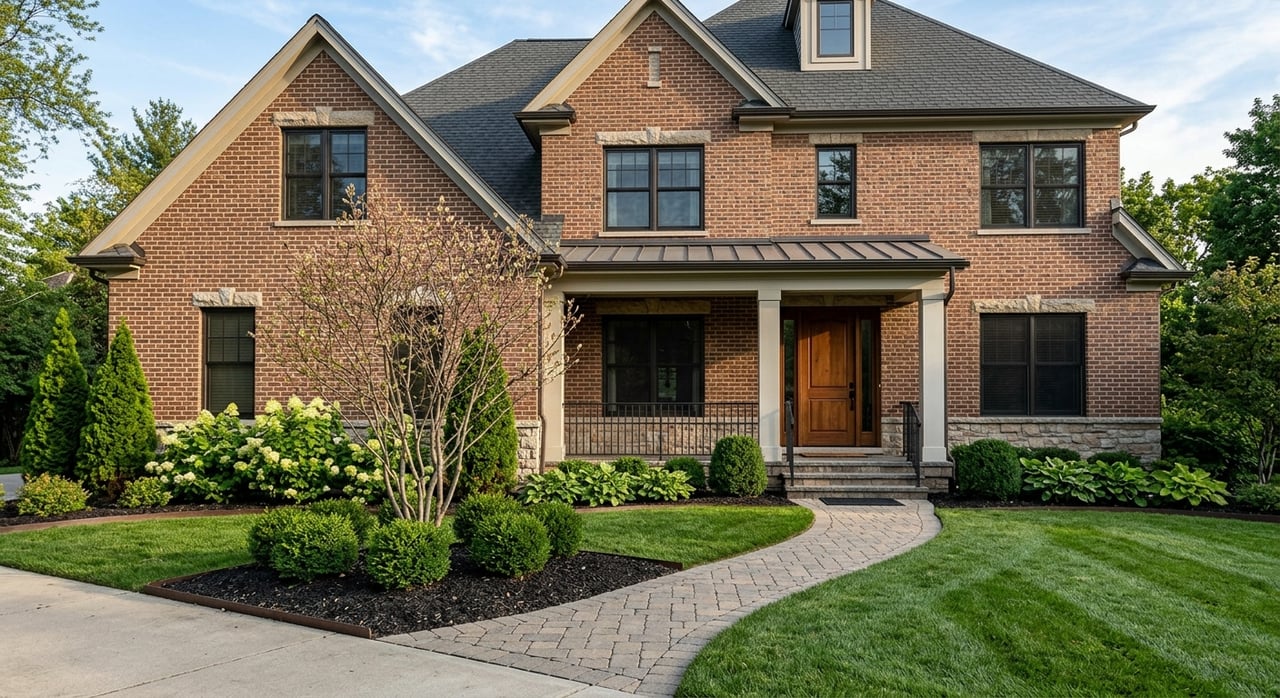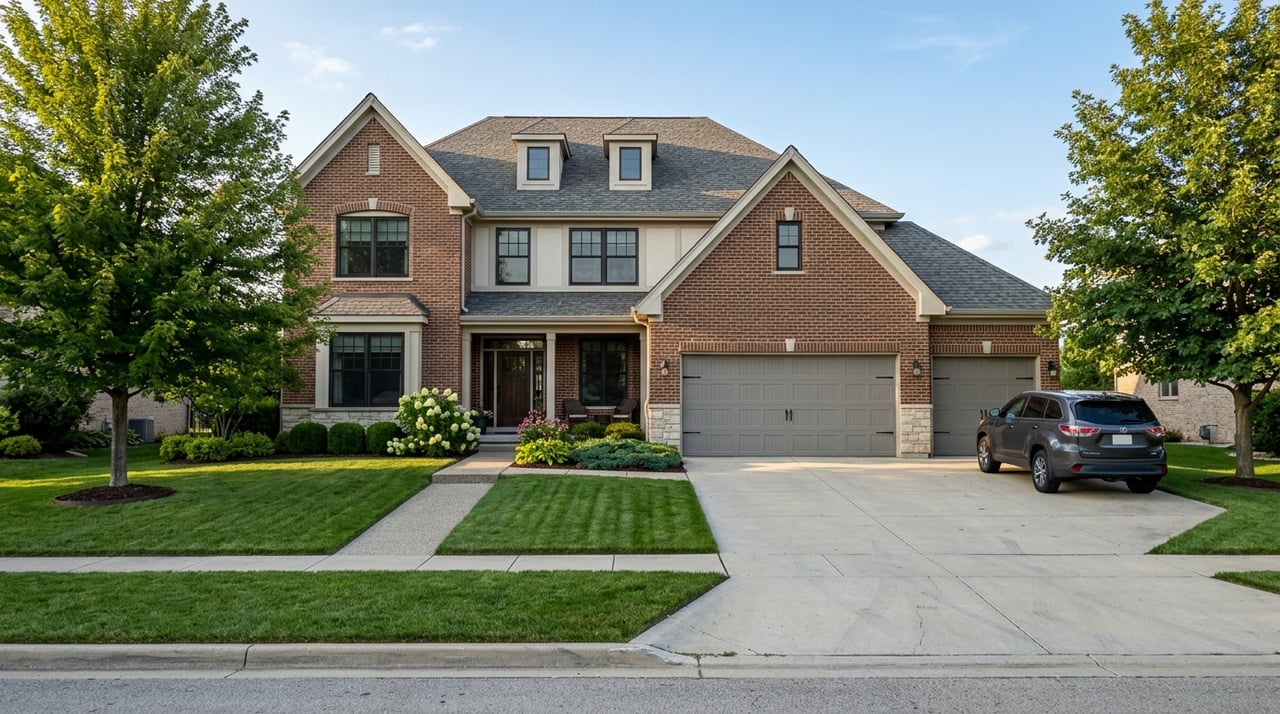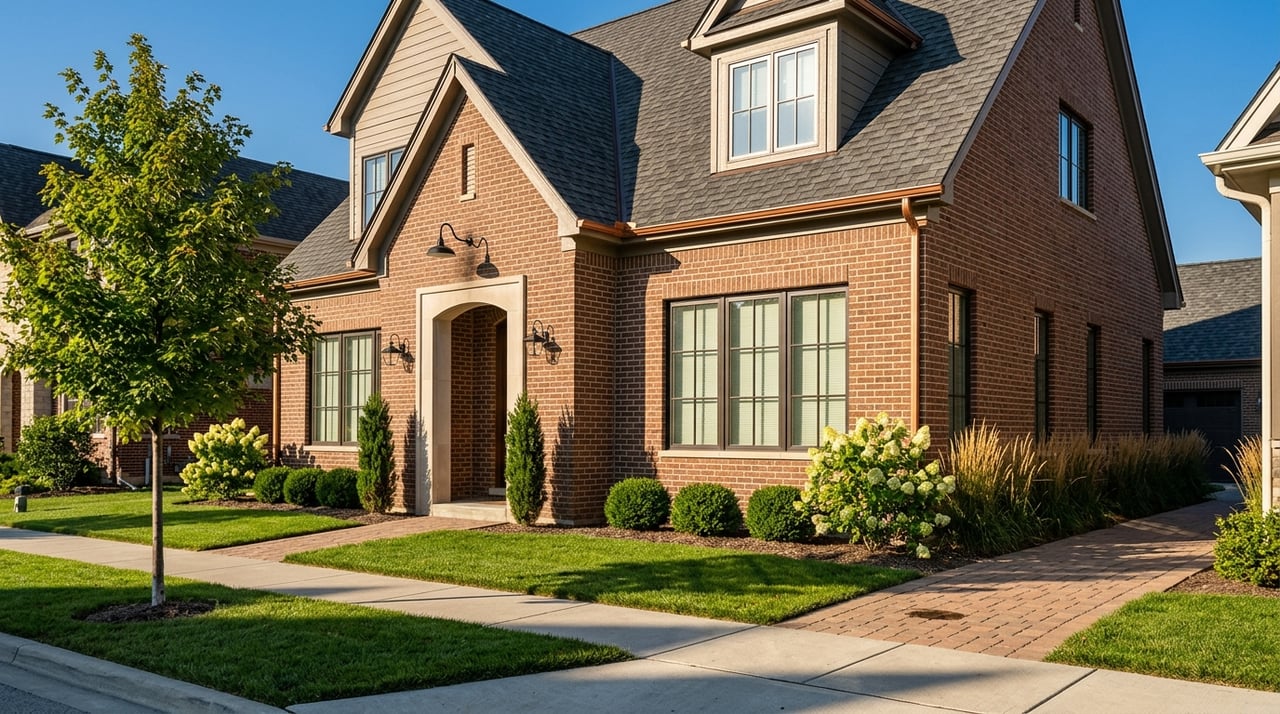
If you have been dreaming about building in Brighton, you have probably already noticed one big truth: finding a lot is not the same as finding a buildable lot. Between city rules, township rules, utilities, drainage, and site conditions, the best opportunities are often the ones that hold up after real due diligence. That is where a practical, builder-minded approach can save you time, money, and frustration. Let’s dive in.
Why Brighton build opportunities are so specific
In the Brighton area, custom home and infill options tend to be highly parcel-specific. That is because the City of Brighton and Brighton Charter Township are separate zoning jurisdictions, each with its own rules and approval process. Livingston County offers a generalized parcel-based zoning map, but the county also makes clear that it is informational only, so you still need parcel-level confirmation from the local zoning administrator.
That distinction matters when you start comparing lots. In Brighton Township, the zoning ordinance is centered largely around low-density single-family housing, while also noting that some residential districts are intended to allow smaller lots in established neighborhoods near the city. In real life, that usually means buyers are more likely to find viable opportunities through older-city infill, remnant parcels, waterfront lots, or larger township tracts rather than expecting a large supply of untouched in-city lots.
Where custom home lots show up
City of Brighton infill lots
In the City of Brighton, infill can be appealing because you may find established streets, existing neighborhood fabric, and locations close to daily amenities. But city rules also create some clear boundaries. Under the city subdivision code, lots generally must front a publicly dedicated street or one with legal status as such, and building permits for subdivision lots cannot be issued until the plat has been approved and recorded.
That same code also says the city will withhold public improvements and sewer and water facilities from subdivisions that are not approved. So if you are looking at an infill parcel or a split-lot scenario, access and approval status are not minor details. They are central to whether your project can move forward.
Remnant parcels and lot assembly
Some of the best infill opportunities are not obvious at first glance. In older platted areas, leftover fragments from lot splits may need to be combined with adjacent land rather than treated as stand-alone homesites. Brighton’s code specifically pushes those leftover pieces toward adjoining parcels, which makes parcel assemblage especially important when you are searching for usable infill land.
This is one reason local guidance matters. A lot that looks promising online may turn out to be too narrow, oddly shaped, or tied to a prior split in a way that limits what you can actually build.
Township tracts and estate-style sites
In Brighton Township, opportunities often look different. Buyers may have better luck with larger parcels, rural or estate-style lots, or sites in districts that can support smaller lots when public water and sewer are available. The township also allows frontage on a dedicated public road, approved private road, or shared driveway if the access meets township requirements under the zoning ordinance.
That flexibility can open doors, but it does not remove the need for verification. Road access, frontage standards, and utility paths still need to be checked carefully before you assume a lot is ready for a custom build.
Waterfront and natural-feature lots
Waterfront property can be especially attractive in the Brighton area, but it also comes with more site constraints. Brighton Township requires setbacks from the shoreline and natural features, including a 25-foot natural-feature setback from ordinary high water, drainage ways, and regulated wetlands. The township also says regulated wetlands can count toward lot area only if at least 75% of the minimum required lot area is buildable upland, according to the township ordinance.
In short, a beautiful lot near the water may not translate into a simple build. The build envelope, drainage, and setback limits can shape everything from home size to garage placement.
What makes a lot truly buildable
Zoning and dimensional rules
Before you make an offer, confirm the zoning district and the specific dimensional standards that apply. In Brighton Township, minimum lot area, lot width, setbacks, and maximum lot coverage vary by district. In the city, lot dimensions must comply with local zoning and subdivision requirements.
This is where broad assumptions can get expensive. Two lots on the same road can have very different rules depending on district lines, prior approvals, and how the parcel was created.
Legal access and frontage
Access is one of the first questions to answer. In Brighton Township, frontage may be allowed on a public road, approved private road, or shared driveway if it meets ordinance standards. In the city, frontage on a legally recognized public street is the starting point.
If access is unclear, everything else becomes harder. A lot with uncertain frontage can delay permits, add legal costs, or prevent the project from moving ahead at all.
Survey requirements
A survey is not just a nice extra on many Brighton-area land purchases. In Livingston County, a land survey with legal description and surveyor seal is required before applying for well and sewage permits, and it is required for properties under 10 acres unless the parcel is already part of a recorded subdivision or site condo.
That makes a current survey one of the smartest early investments you can make. It helps confirm boundaries, frontage, legal description, and the practical layout of the site before you get too far down the path.
Soil, septic, and well feasibility
If the property will rely on onsite wastewater, Livingston County requires a soil evaluation before a septic permit can be issued. Suitability depends on factors such as groundwater level, soil texture, and closeness to surface water, and the county requires two soil borings at least 50 feet apart that meet county criteria.
If public water is not available, you may also need a private well. Livingston County notes that there are areas where water quality and quantity may be concerns, and well and septic applications are often coordinated together when both systems are needed. That means utility feasibility is a key part of pricing the lot, not something to figure out later.
Flooding, wetlands, and drainage
Physical site conditions can make or break a custom build. In the City of Brighton, lots subject to flooding or considered uninhabitable should not be platted for residential occupancy under the city subdivision rules. City engineering standards also show that site plans are reviewed for stormwater, grading, soil erosion control, sewer layout, water layout, and private-road design.
If a site drains to county drains, county review and an SESC permit path may also come into play. For buyers, the big takeaway is simple: drainage swales, floodplain exposure, wetlands, and shoreline setbacks are not side notes. They directly affect what can be built and what it may cost.
Permits and approvals to plan for
In Livingston County, the new construction building-permit checklist calls for several items that can affect your timeline and budget, including:
- A township land use permit
- A completed building permit application
- Septic and well permits, when needed
- A soil erosion permit or waiver
- A driveway permit
This is why permit sequencing matters so much on land purchases. If a lot needs multiple approvals from local and county departments, you want that path understood before you commit.
Michigan also states that a person constructing a residential structure generally must be licensed as a residential builder. That is another reason to ask early who will handle permits, inspections, and coordination.
Building new versus buying existing
For many buyers in Brighton, building makes sense when customization and lot selection matter more than speed. You get the chance to choose your homesite, shape the layout around your needs, and make decisions with a long-term view. That can be especially appealing if you want lakefront, extra land, or a home that fits a very specific lifestyle.
Buying an existing home is often simpler when your priorities are timing, financing certainty, and fewer moving parts. In this market, the real cost of building often depends on verified access, survey work, soil conditions, utilities, and drainage, not just the list price of the lot.
Even when comparing existing homes, you still want to check utility-related records. Livingston County provides realtor resources for well and septic properties, and the county notes that it does not perform point-of-sale well or septic inspections when a home changes ownership. If a property uses those systems, records matter.
Smart questions to ask before you buy land
If you are considering a custom home or infill lot in Brighton, start with a practical checklist:
- What zoning district applies to this parcel?
- What are the minimum lot size, width, setback, and lot coverage rules?
- Does the lot have legal frontage and approved access?
- Is a survey current, and does it match the legal description?
- Will the site need a private well, septic system, or both?
- Has the soil been evaluated for onsite wastewater?
- Are there wetlands, drainage ways, floodplain issues, or shoreline setbacks?
- Which permits are required, and in what order?
- Who will coordinate approvals, utilities, and inspections?
These questions are not meant to slow you down. They are meant to protect you from buying a lot based on hope instead of facts.
Why builder-minded guidance matters
Land and custom-home searches are different from standard home shopping. A parcel can look perfect in photos and still carry zoning, access, or site-development issues that change the whole picture. That is why practical construction knowledge can be so useful when you are weighing infill options, waterfront lots, or custom-home sites.
If you want help comparing lots, evaluating tradeoffs, or deciding whether building makes more sense than buying existing, reach out to Benjamin Derosa. You will get straightforward guidance shaped by real-world building experience and local market insight.
FAQs
What makes a lot buildable in Brighton?
- A buildable lot in Brighton usually needs confirmed zoning compliance, legal access, acceptable site conditions, and a workable path for utilities, drainage, and permits.
What is the difference between Brighton city and township lot rules?
- The City of Brighton and Brighton Charter Township are separate zoning jurisdictions, so lot standards, access rules, and approval processes can differ depending on the parcel location.
Do you need a survey before building in Livingston County?
- Yes, Livingston County requires a survey with legal description and surveyor seal before applying for well and sewage permits in many cases, especially for properties under 10 acres unless they are in a recorded subdivision or site condo.
Can you build on a waterfront lot in Brighton Township?
- Yes, but waterfront lots may be subject to shoreline, wetland, and natural-feature setbacks, so the usable build area needs to be verified carefully.
Is building in Brighton harder than buying an existing home?
- Building can involve more site evaluation, permits, and utility questions, while buying an existing home is often simpler if you want a faster and more predictable path.
What should you check on a Brighton lot before making an offer?
- Before making an offer, you should confirm zoning, frontage, survey status, well and septic feasibility, drainage, wetlands, floodplain exposure, and the likely permit path for the project.